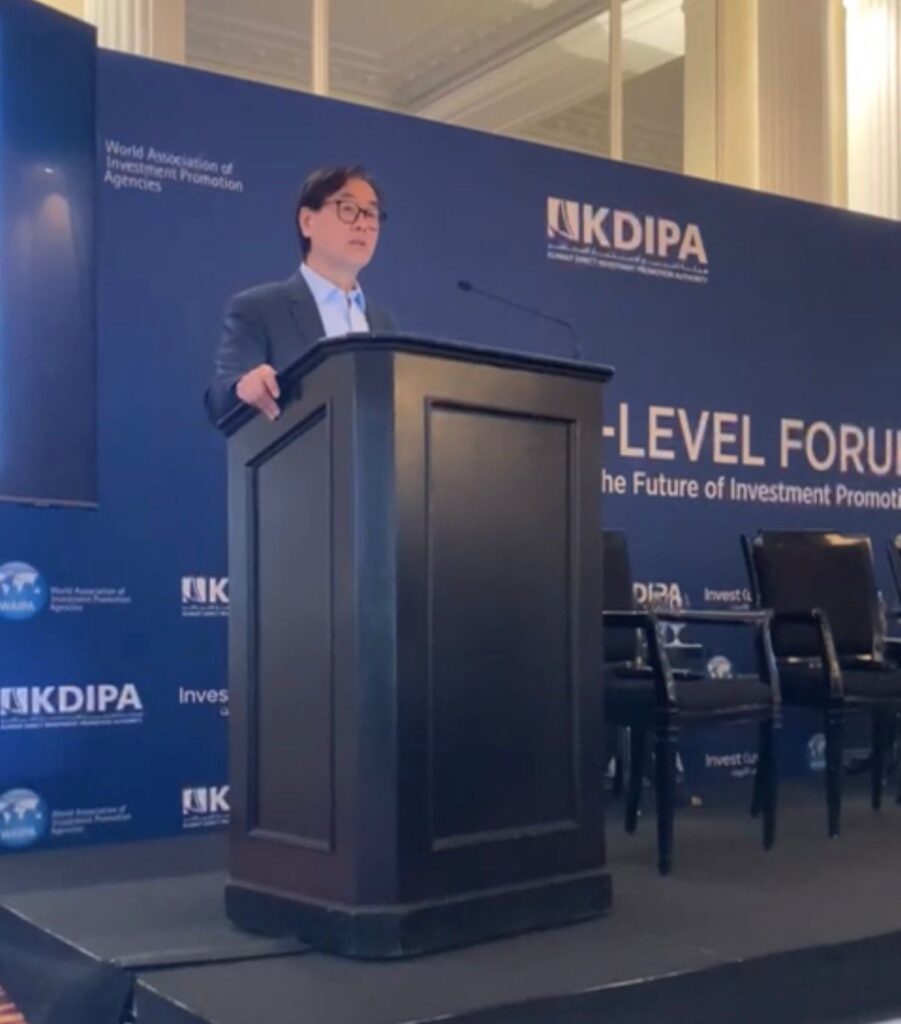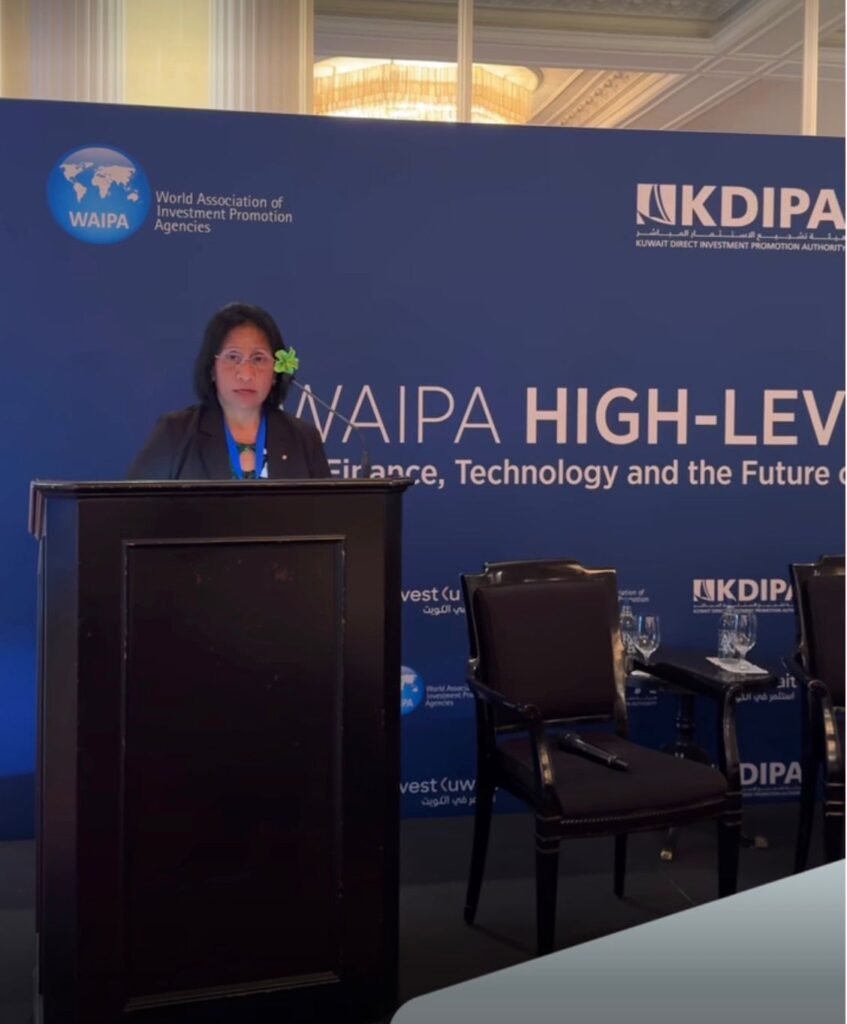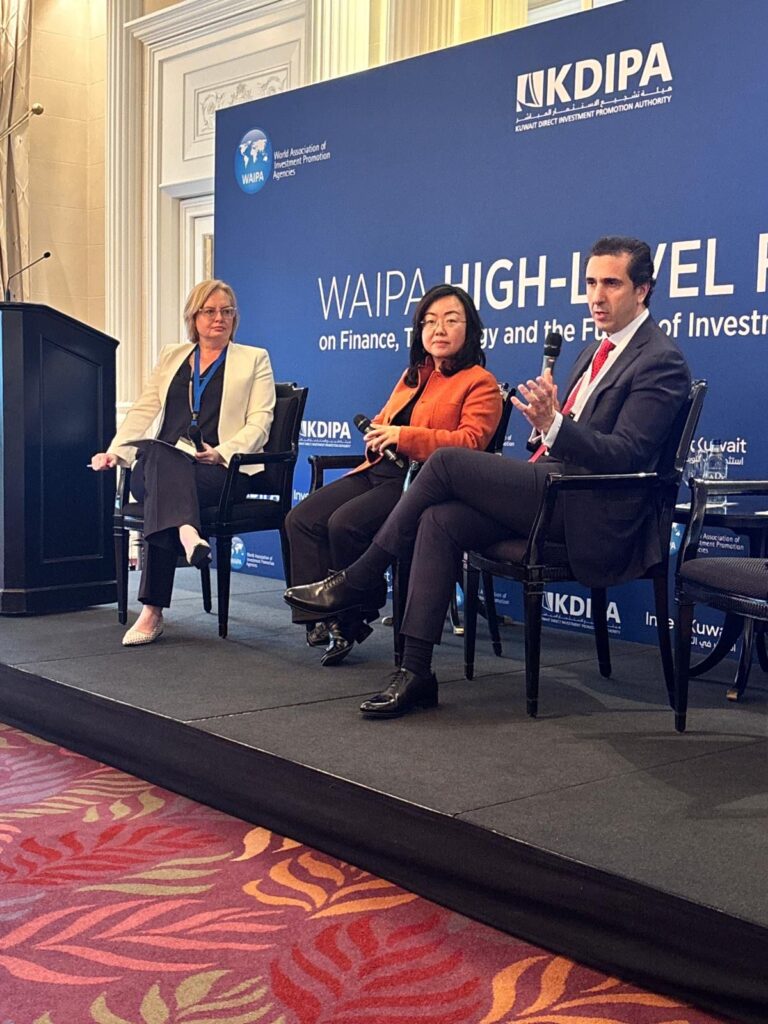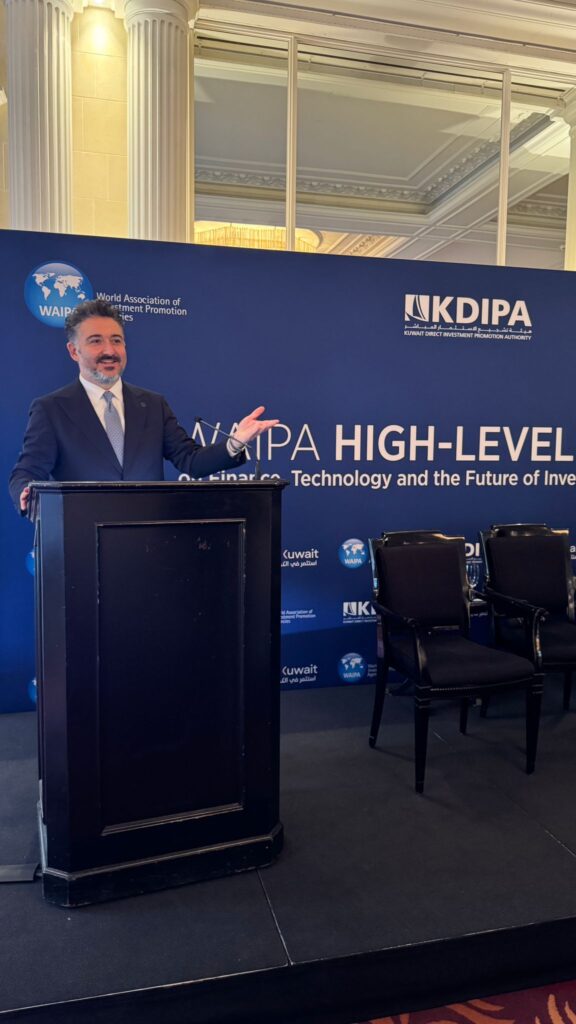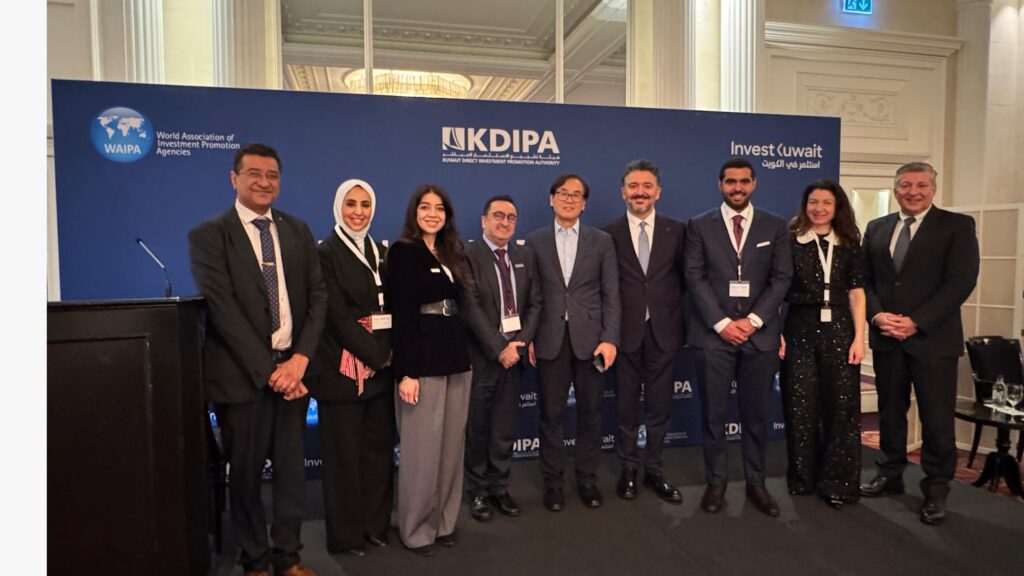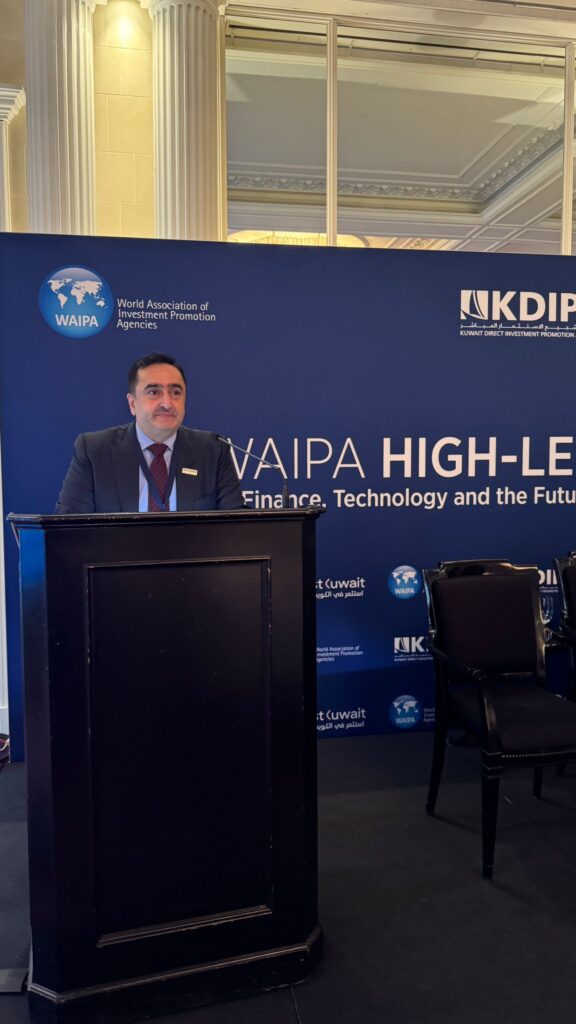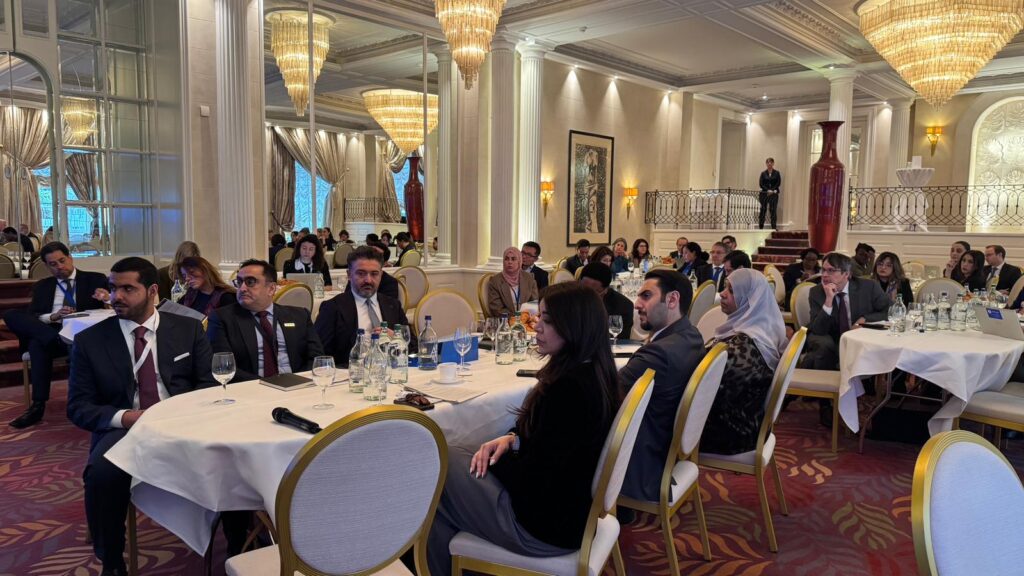

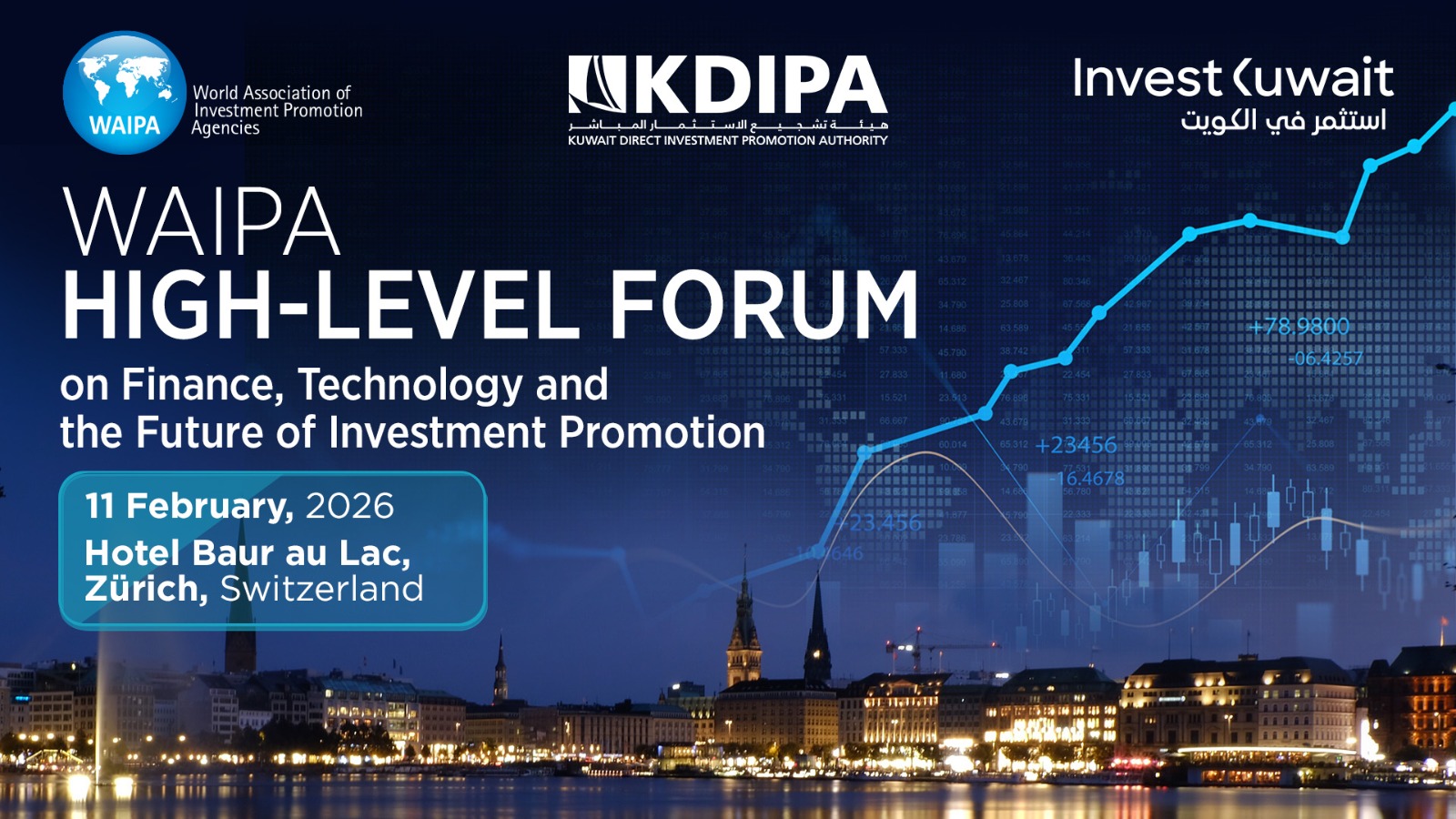
On February 11, 2026, the WAIPA High-Level Forum on Finance, Technology and the Future of Investment Promotion was held in Zurich, Switzerland, bringing together more than 80 experts from 28 countries to discuss the evolving dynamics of global investment. Co-hosted by the World Association of Investment Promotion Agencies (WAIPA) and the Kuwait Direct Investment Promotion Authority (KDIPA), the event focused on the intersection of finance, technology, and investment promotion in a rapidly changing world.
From the outset, the Forum framed foreign direct investment (FDI) as entering a new era defined by persistent uncertainty and a more disciplined capital market. Speakers emphasized that globalisation is not vanishing but being reshaped through de-risking strategies, political realignments, and new forms of regulatory fragmentation: dynamics that are changing how investors assess credibility, location, and long-term value.
In this context, Mr. Mohammed Yousef Mulla Yaqoub, Acting Director General, Kuwait Direct Investment Promotion Authority and President, WAIPA, Mr. Ismail Ersahin, Executive Director and CEO, WAIPA, and Ms. Hilda Al Hinai, Secretary General, Arab-Swiss Chamber of Commerce and Industry, delivered the opening remarks and welcome speech. While Ms. Al Hinai presented an overview of Arab-Swiss investment flows, highlighting key trends, sectoral distribution, and the industries demonstrating the strongest bilateral performance and growth potential, Mr. Mohammed Mulla Yaqoub and Mr. Ismail Ersahin addressed the need for IPAs to adapt structurally to a more complex investment environment.
As President of the World Association of Investment Promotion Agencies (WAIPA), Mr. Mohammed stressed that in a context of geopolitical uncertainty, tighter financing, and intensifying competition for capital, IPAs must remain clear in positioning, resilient institutionally, and agile in execution. He framed WAIPA as a member-driven platform for practical cooperation and knowledge exchange, enabling agencies to better advance national development objectives.
WAIPA CEO Mr. Ismail Ersahin reinforced that IPAs are no longer judged solely by the volume of FDI attracted, but by their quality, resilience, and long-term impact. He called for placing investor expectations, particularly from private and sovereign capital, at the center of strategy, while strengthening engagement with global partners such as the United Nations Conference on Trade and Development (UNCTAD). Together, their messages underscored the shift from promoting inflows to shaping future-ready investment ecosystems.
Building on the opening speeches, Dr. James Zhan set a direct tone in his keynote address: FDI is experiencing a slow and fragile recovery and remains below the level needed to support long-term development ambitions, while multinational enterprises are reconfiguring supply chains and outward investment strategies toward 2030. Participants returned throughout the day to his emphasis on “future-shaping” sectors (critical minerals, renewable energy, advanced manufacturing, semiconductors, electric vehicles, and digital infrastructure) as increasingly central magnets for investment in a world where industrial policy and national strategic priorities now shape corporate location decisions as much as cost efficiency.
THEMES AND SESSIONS
Finance Investment Flows: Understanding Today’s Capital Landscape
Moderated by Ms. Courtney Fingar, Senior Communications Advisor at WAIPA, this session brought together Dr. James Zhan, Chairman of the World Investment Conference (WIC) Executive Board at WAIPA, Ms. Nicola Watkinson, Managing Director International at TheCityUK, and Mr. Thomas Walenta, Head of Global Strategies and Climate Fund Investments at Responsibility Investments AG and the Swiss Investment Fund for Emerging Markets (SIFEM). The discussion examined how tightening financial conditions, sustainability imperatives, and geopolitical fragmentation are reshaping global capital allocation and what this means for countries seeking long-term, innovation-led investment.
Key points addressed:
- Global capital markets are layered, with distinct mandates and risk-return profiles across sovereign funds, pension funds, and asset managers.
- Climate and ESG considerations are now embedded in allocation strategies, particularly in emerging markets.
- Regulatory clarity, enforceable rights, and governance credibility are decisive for investor confidence.
Global Investment Dynamics: Sovereign Capital, Emerging Trends, and the Future of Investment Promotion
Moderated by Ms. Courtney Fingar, the fireside chat featured Ms. Nan Li Collins, Director of the Division on Investment and Enterprise at United Nations Conference on Trade and Development (UNCTAD), and Mr. Abdulmohsen Almukhaizeem, President and CEO of the Kuwait Investment Office in London. The conversation explored how sovereign capital is adapting to geopolitical realignment, technological disruption, and diversified risk environments, and how IPAs must strategically align with evolving investor mandates.
Key points addressed:
- Sovereign wealth funds pursue differentiated mandates (stabilization, savings, development), requiring tailored engagement.
- Strategic sectors such as critical minerals, renewables, advanced manufacturing, and digital infrastructure function as an anchor for sovereign allocation strategies.
- Risk mitigation through structured pipelines and credible partnerships is essential.
Technology & Innovation: The New Drivers of Investment Promotion
Moderated by Mr. Jacopo Dettoni, Editor of fDi Intelligence (Financial Times), the session featured Mr. Alex Wong, Senior Advisor to the Secretary General of the International Telecommunication Union (ITU), Dr. Caroline King, Senior Advisor at Berlin Global Advisors, and Mr. Nicolas Ramseier, Chairman of the Swiss Business Foreign Council and President of the Geneva Centre for Neutrality. The discussion analyzed how digital infrastructure, AI capability, energy access, and talent ecosystems are redefining global competitiveness and reshaping investment promotion strategies.
Key points addressed:
- Globalisation is being reconfigured through de-risking and strategic realignment rather than full decoupling.
- The digital divide increasingly relates to governance and regulatory standards, not only connectivity.
- AI competitiveness rests on compute capacity, energy supply, and skilled talent.
Country Perspectives on Investment and Economic Transformation
Mr. Shaikh Faisal Ali Zaher Al Hinai, Deputy Permanent Representative (Commercial Affairs/WTO) of the Sultanate of Oman to the United Nations in Geneva, and Dr. Majed Mneimneh, Chairman and General Manager of the Investment Development Authority of Lebanon (IDAL), presented national perspectives on aligning investment strategies with economic transformation. Their interventions highlighted the importance of institutional reform, sector prioritization, and long-term policy stability in attracting sustainable investment.
Key points addressed:
- Investment strategies must support diversification and sustainable wealth creation.
- Policy credibility and reform momentum are central to restoring investor confidence.
- Clear sector prioritization enhances competitiveness.
- International partnerships strengthen economic transformation pathways.
WAIPA IPA Masterclass: Innovating IPA Performance in a Changing Global Investment Landscape
The Forum’s strategic themes were further translated into practical guidance for IPAs through a two-part masterclass that combined multilateral priorities with operational strategy. Introduced by Mr. Dushyant Thakor, Deputy Executive Director of WAIPA, the session featured contributions from Dr. Stefan Kratzsch (UNIDO), Ms. Rie Vejs Kjeldgaard and Ms. Githa Roelans (ILO), Ms. Silvia Campos Borrás (ITC), Ms. Laura Gasca Beltrán (UN Tourism), Dr. James Zhan (WAIPA), and Ms. Sonja Wollkopf Walt (Head of Business Expansion & Markets, Switzerland Innovation Park). Together, they addressed how IPAs can move from promotion to structured, measurable, and innovation-driven investment ecosystems.
Key points addressed:
- IPAs must strengthen investment de-risking, blended finance structuring, and pipeline engineering.
- FDI performance should be evaluated by job quality, productivity, sustainability, and long-term development impact.
- Robust impact measurement and reporting frameworks are essential for credibility.
- Strategic positioning, ecosystem orchestration, and innovation capacity determine competitiveness in a selective global capital landscape.
CONCLUSION
The WAIPA High-Level Forum underscored a pivotal moment in global investment promotion. As geopolitical tensions, technological advancements, and sustainability imperatives shape the investment landscape, the discussions repeatedly returned to a single strategic pivot: IPAs are being pushed to evolve from marketers of opportunities into architects of investable ecosystems, capable of structuring pipelines, reducing risk, and aligning investment with national transformation strategies. IPAs must pivot toward sophisticated strategies that prioritize credibility, resilience, and measurable outcomes. By embracing these themes, IPAs can better align with evolving investor expectations and ensure robust investment ecosystems that foster long-term growth.